How AI Humanizer Tools Are Transforming Digital Communication
The Robotic Tone Problem
AI has been assisting businesses in writing emails, chat responses, and content for years. But despite advances in natural language processing, most AI-generated text still struggles with tone. It’s either too formal, too generic, or just doesn’t “sound right.” It lacks the rhythm, nuance, and warmth of human communication.
This robotic tone isn’t just annoying—it can hurt engagement. Customers are more likely to ignore an email that feels impersonal. They may abandon a chatbot that gives clunky, scripted replies. And they’ll scroll past content that appears to have been generated in bulk. People want to feel like they’re talking to a human, even when they know they’re not.
What Are AI Humanizer Tools?
AI humanizer tools are software applications that rewrite or fine-tune AI-generated text to make it sound more natural, conversational, and emotionally aware. Instead of just correcting grammar or spelling, they focus on improving tone, word choice, pacing, and flow.
Where They’re Being Used
AI-humanizing tools are emerging across various communication platforms. Here’s where they’re making the biggest impact:
1. Email Marketing:
Marketers often use AI to draft campaign emails, but a robotic tone can undermine a campaign before it even begins. Humanizer tools help rewrite subject lines, intros, and calls to action so they sound more personal and persuasive.
2. Customer Service Chatbots:
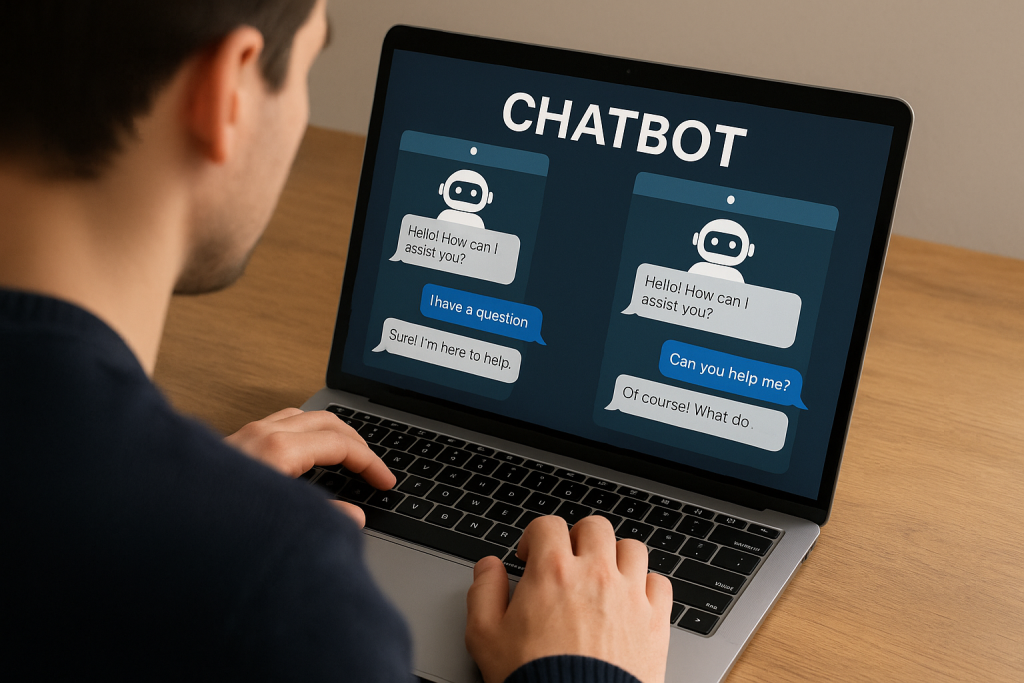
Many companies utilize AI chatbots to address customer inquiries and concerns. But when those bots sound cold or scripted, customers get frustrated. Humanizer tools enable bots to deliver friendlier, more empathetic responses that feel more like conversing with a helpful person.
3. Website and App Content:
From onboarding messages to feature announcements, digital products rely on text to guide users. Humanizer tools make these messages feel more welcoming and easier to understand, thereby improving the user experience.
4. Internal Communications:
Even within companies, AI is being utilized to assist in writing memos, announcements, and reports. Humanizer tools help ensure these messages don’t come off as tone-deaf or overly corporate.
Why It Matters
Tone isn’t just a “nice to have”—it directly impacts engagement. People are more likely to read, trust, and act on messages that feel authentic and relatable. This is especially important as more of our communication moves online. Remote work, digital customer service, and AI-generated content are now part of everyday life. If we want people to feel heard, understood, and respected in these spaces, our tools need to reflect that.
The Challenges Ahead
While AI humanizer tools are improving fast, they’re not perfect. Tone is deeply tied to context—what feels friendly in one situation might seem too casual in another. There’s also the risk of overcorrecting, where text becomes overly chatty or insincere.
Another challenge is maintaining brand voice. A playful tone might work for a startup, but not for a bank. Humanizer tools must be flexible enough to adapt to various industries, audiences, and use cases.
And of course, there’s always the question of authenticity. Some people worry that using AI to make things “sound human” is just another layer of manipulation. But when used well, these tools don’t fake empathy—they help express it more clearly.
The Future of Human-AI Communication
The rise of AI humanizer tools signals a shift in how we think about automation. It’s not just about speed and efficiency anymore—it’s about connection. As these tools get better at understanding context, tone, and intent, they’ll become an essential part of how businesses communicate.
We’re transitioning from robotic replies to genuine conversations. From scripted messages to ones that adapt in the moment. From tech that talks at people to tech that talks with them.
In the end, it’s not about making AI seem human for its own sake. It’s about creating digital communication better, clearer, kinder, and more effective. And that benefits everyone.